
TERANG
Reawakening Heritage Spaces Through Light, Technology and Collective Imagination from Southeast Asia
Positioning projection mapping as a public cultural movement for heritage, light and Southeast Asian creative exchange.
- Project
- Terang
- Field
- Public Engagement
- Format
- Projection Mapping
- Year
- 2024
Context
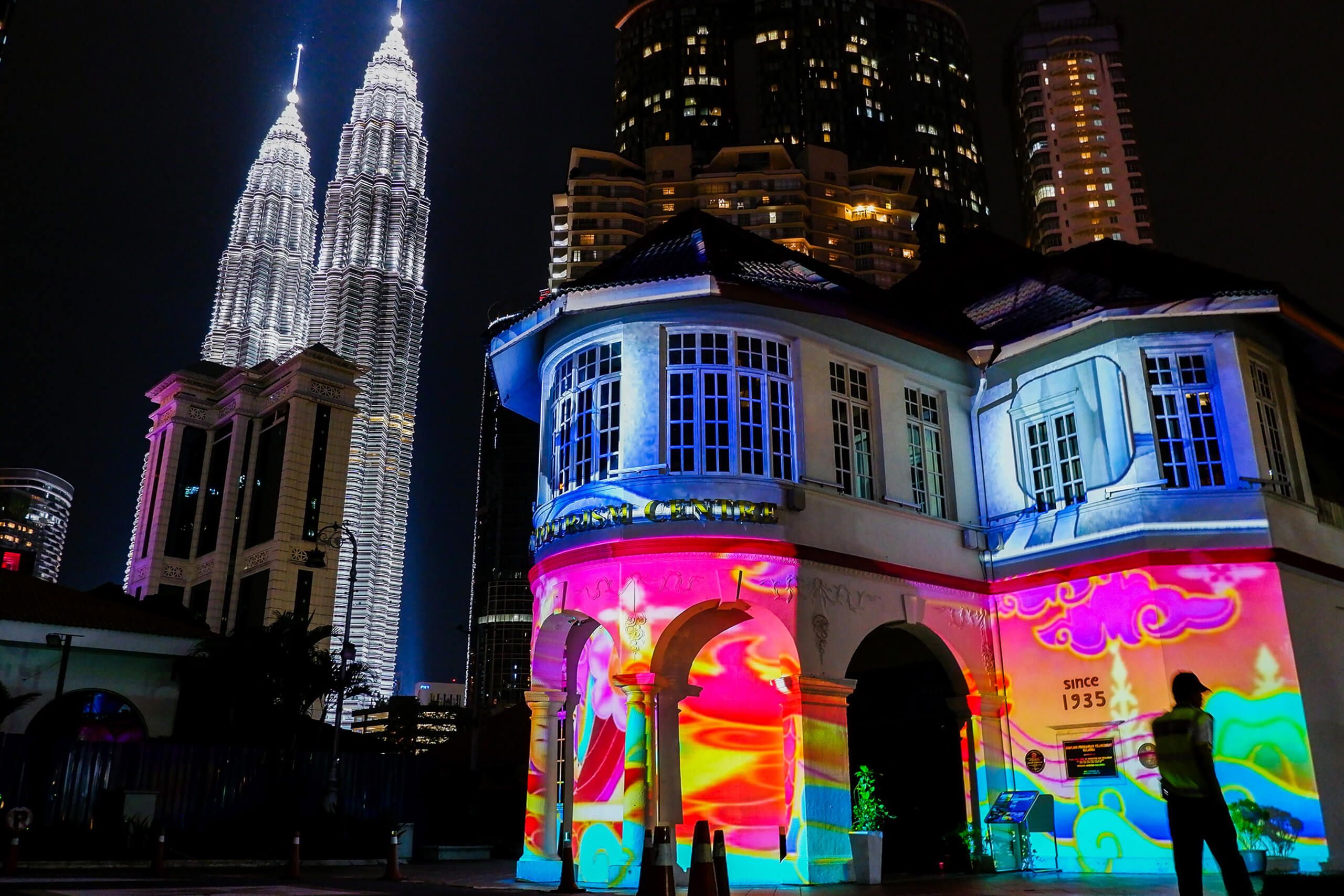
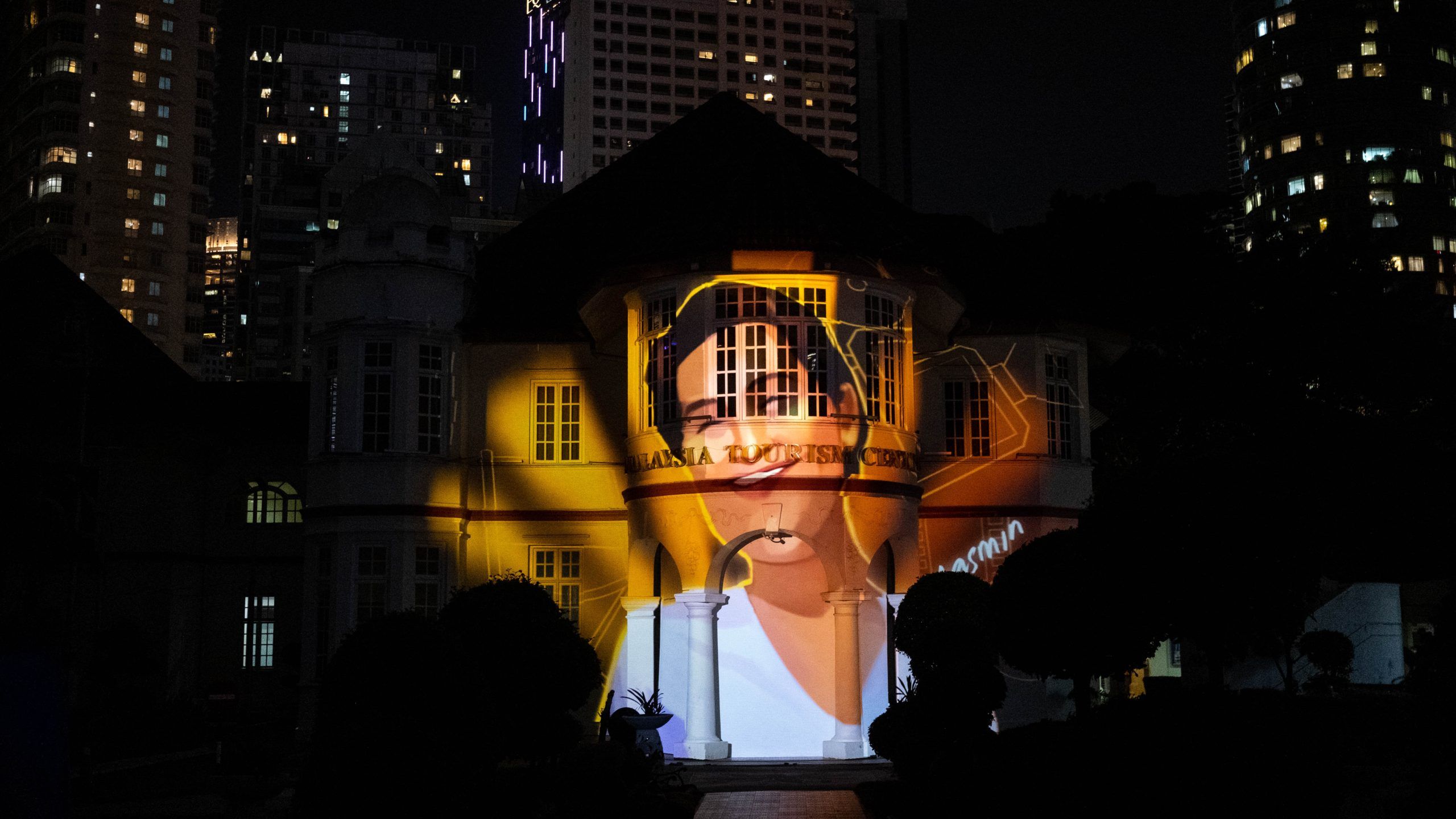
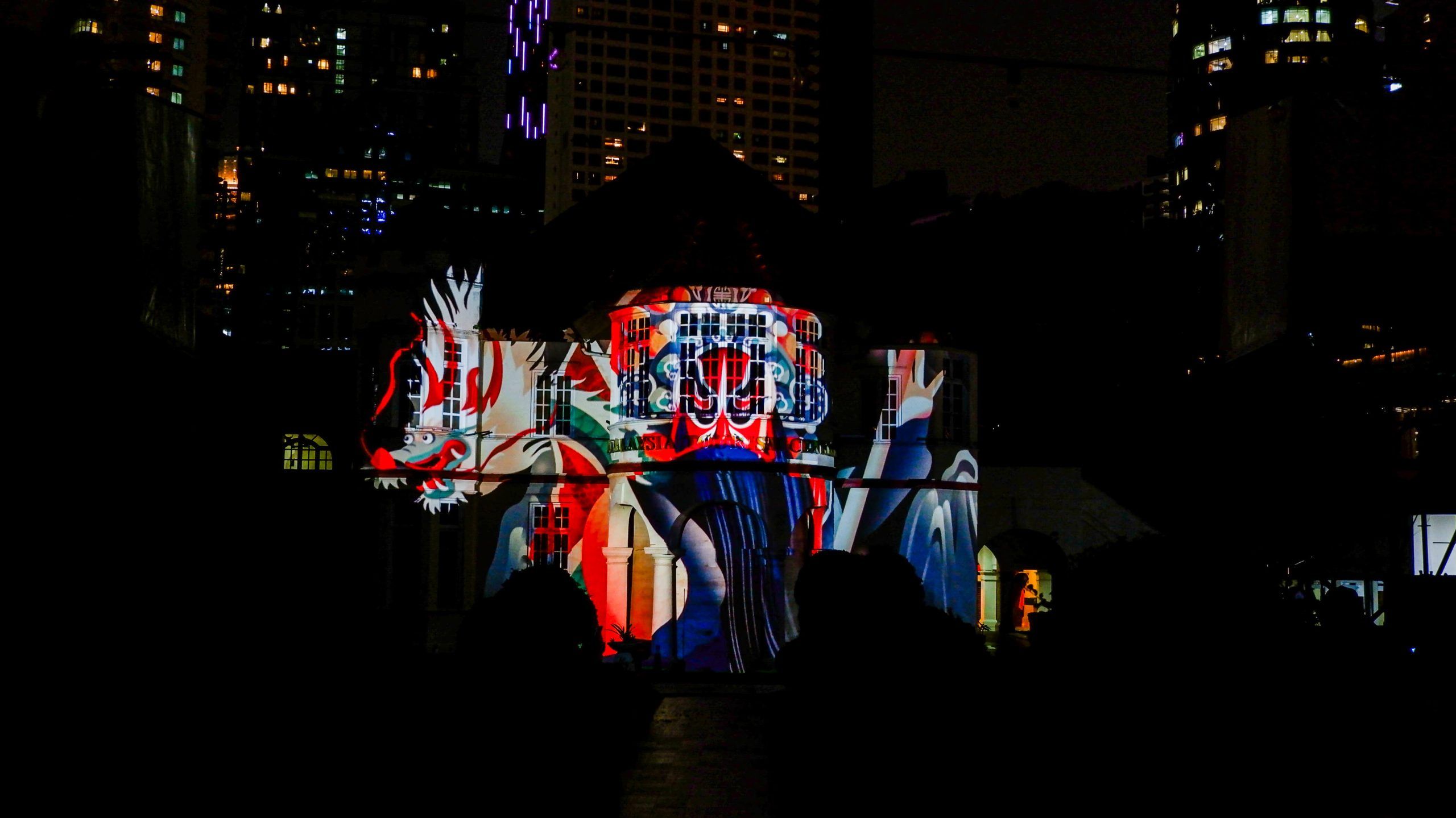
TERANG brings digital art to overlooked heritage buildings, using projection mapping to reawaken public attention toward architecture, memory and urban space.
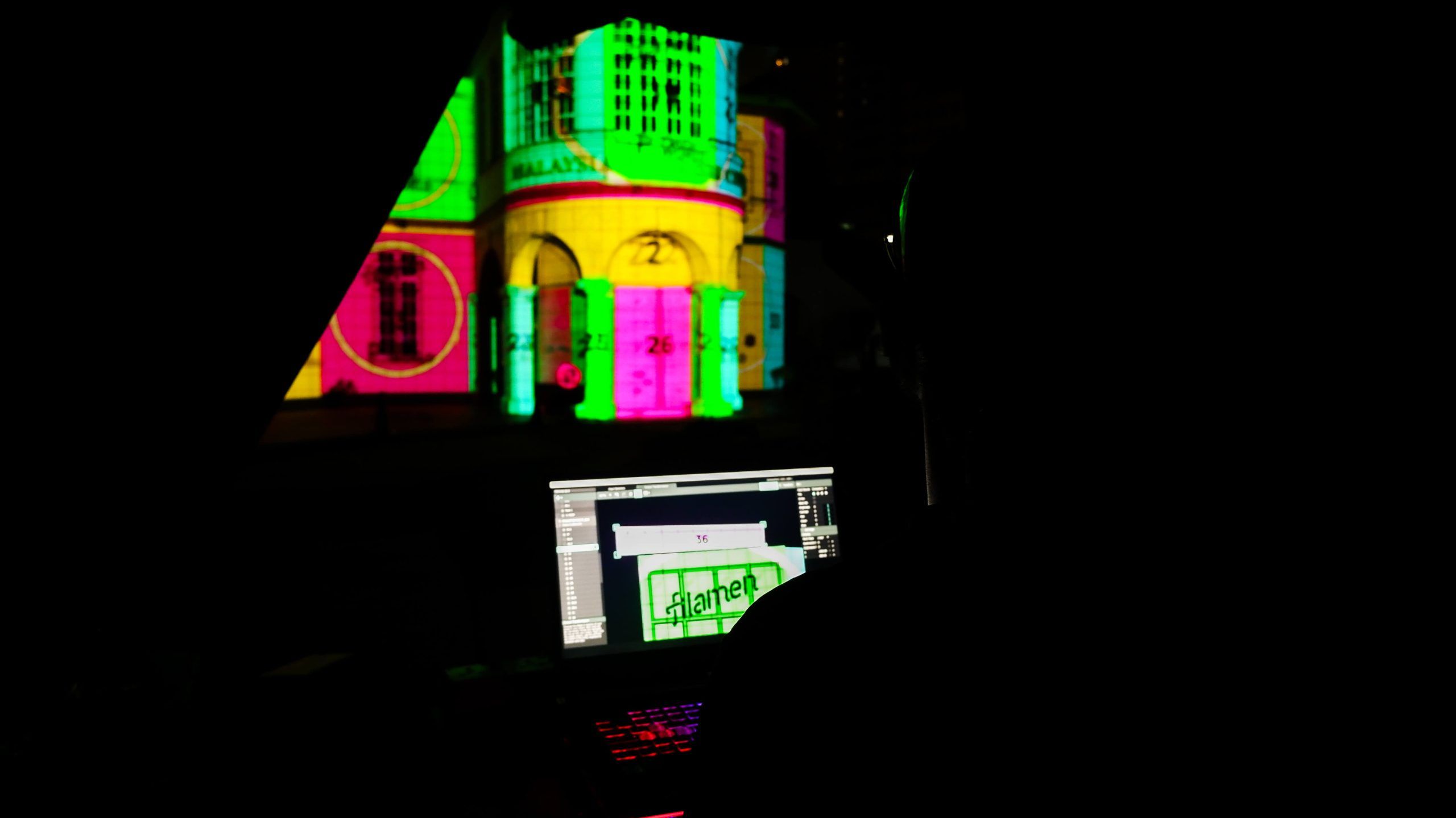
Led by new media art collective Filamen, the initiative sits between cultural preservation and contemporary creative practice. It asks audiences to look again at buildings that may have slipped into the background of everyday life.
With ambitions to return annually, TERANG is not only an exhibition format. It is a long-term cultural platform for public art, regional collaboration and heritage appreciation.
Challenge
The project needed to be understood as more than spectacle.
Projection mapping can easily be received as a visual event: beautiful, photogenic and temporary. TERANG needed a deeper public frame that connected the light to the buildings, the artists and the purpose behind the work.
The communications task was to turn a moment of illumination into a wider story about preservation, imagination and Southeast Asia's rising new media talent.
Our Thinking
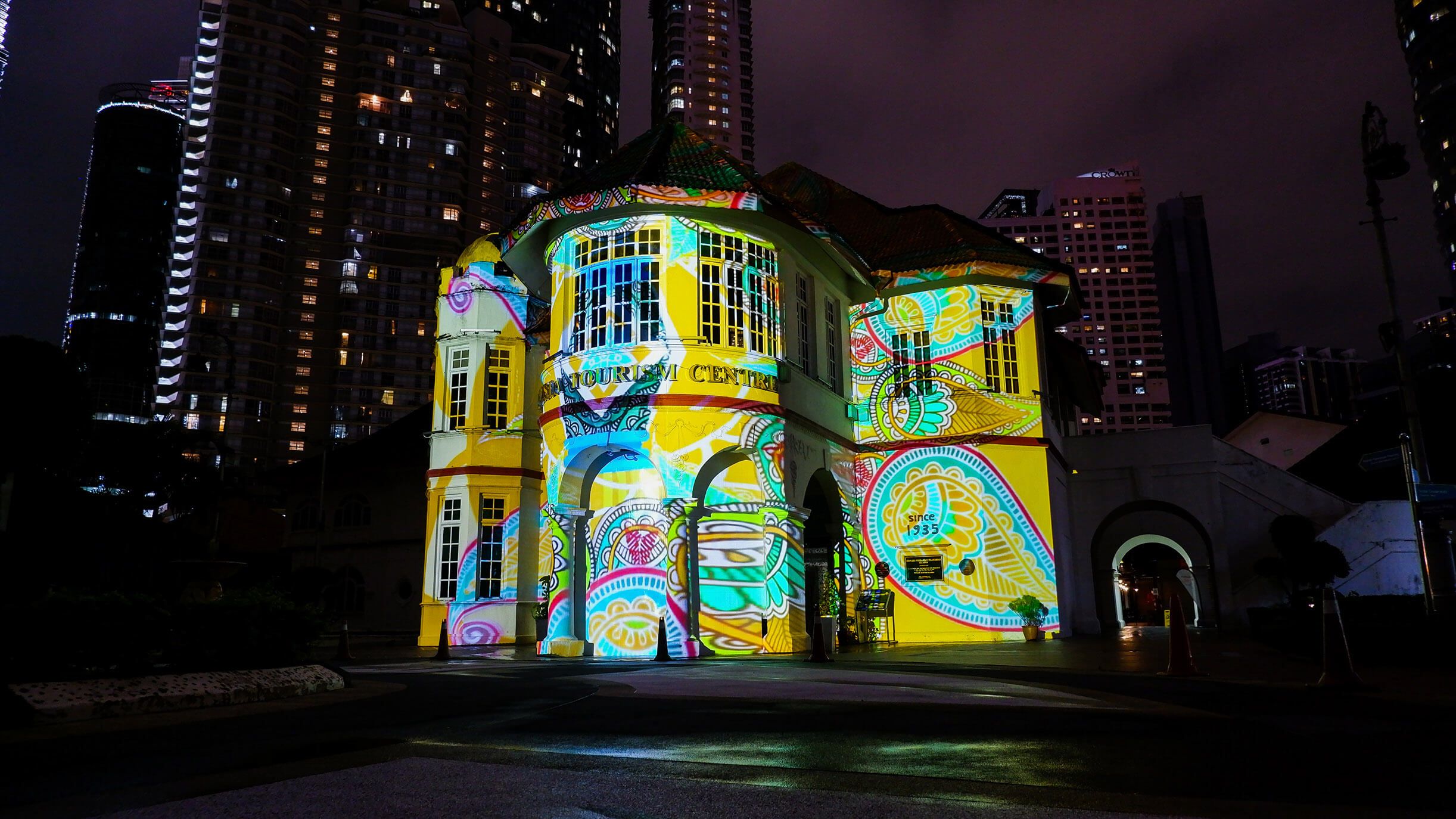
We positioned TERANG as cultural experience with purpose: light as a way of making heritage visible again.
The strategy connected digital innovation with heritage storytelling. Instead of separating technology from place, the narrative treated projection as a method of returning public attention to forgotten architectural gems.
This gave journalists, creators and audiences a stronger reason to care. The experience could be enjoyed visually, but also understood as part of a larger conversation about public memory and urban culture.
-
Anchor spectacle in meaning
Connect the visual power of projection mapping to the heritage spaces and communities it reactivates.
-
Invite cultural witnesses
Create walkthroughs with media for them to interpret the artwork with depth.
-
Build movement language
Frame TERANG as a recurring cultural platform rather than a one-off installation.
The Work
RUBIX worked closely with Filamen to shape TERANG's public narrative across media relations, immersive walkthroughs and strategic content placement.
-
Heritage-led framing
The communications positioned TERANG at the intersection of public art, preservation and regional new media practice.
-
Immersive media walkthroughs
Culturally inclined journalists and content creators were invited into the experience in ways that encouraged interpretation, not just coverage.
-
Sustained visibility
Traditional, digital and social outreach helped transform a moment of light into a movement of meaning.
Outcome
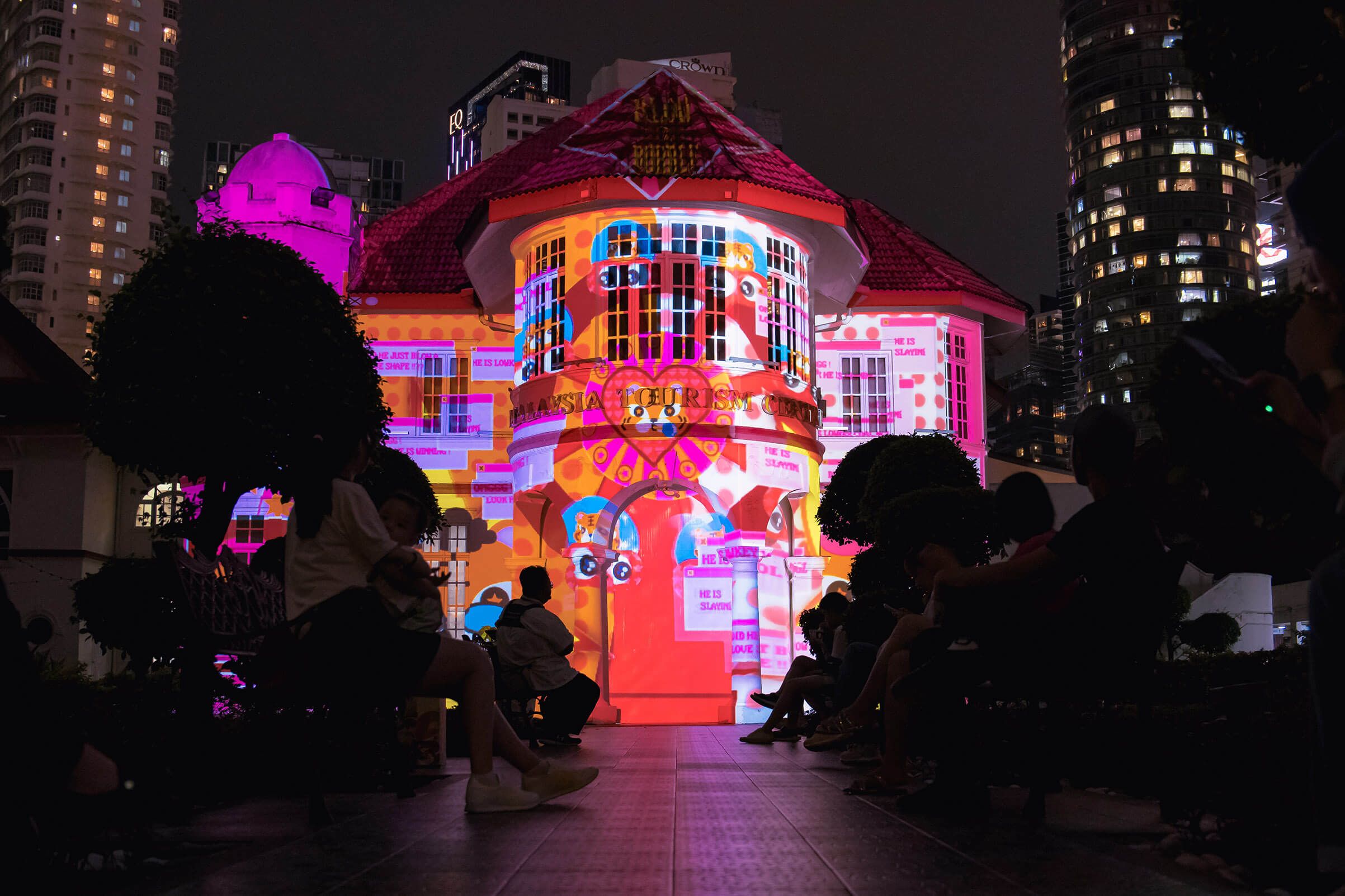
TERANG lit up not just buildings, but public imagination around heritage and new media.
The campaign received coverage across major Malaysian news outlets and social platforms, sparking interest in urban heritage and Southeast Asia's creative talent.
More importantly, it helped the project travel as a story about what public art can do: restore attention, invite participation and make the city feel newly visible.
Reflection
Public art becomes more powerful when people understand what it is asking them to look at again.
TERANG demonstrated that communications can help a visual experience hold cultural weight, giving audiences a way to connect beauty with memory, place and purpose.