
ART SG 2025
Southeast Asia’s Contemporary Pulse
Positioning Southeast Asia's leading contemporary art fair as a regional cultural conversation for Malaysian audiences.
- Project
- ART SG 2025
- Field
- Arts & Culture
- Market
- Malaysia
- Year
- 2025
Context
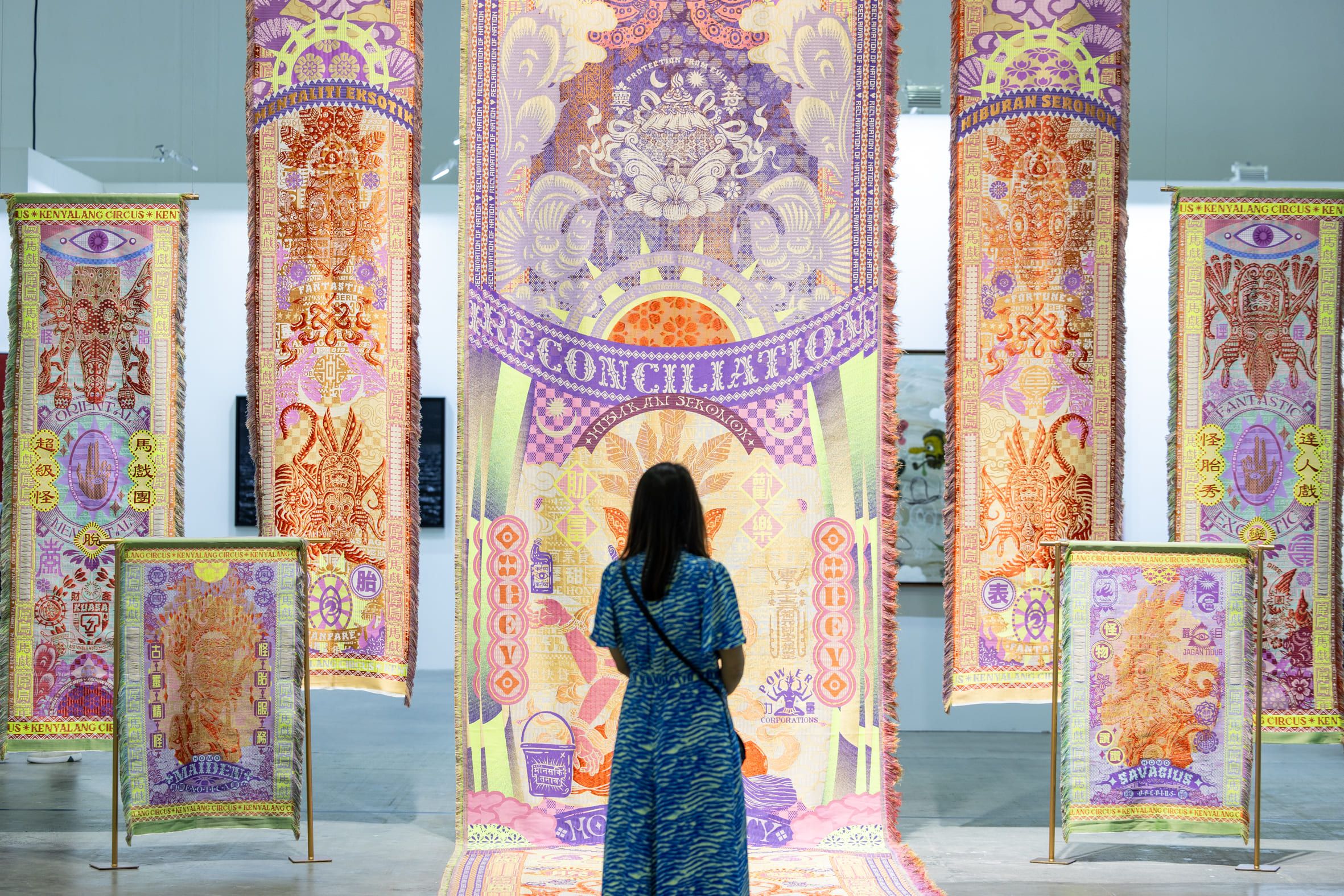
ART SG has quickly become one of Southeast Asia's most significant contemporary art fairs, gathering international galleries, collectors, cultural voices and artists during Singapore Art Week.
Its rise reflects a wider shift in how the region is seen within the global art conversation. Southeast Asia is no longer only a source of emerging interest; it is an active cultural field where collectors, institutions, galleries and artists are shaping contemporary narratives on their own terms.
For Malaysian audiences, the opportunity was not simply to announce the fair. It was to make ART SG feel close, relevant and worth paying attention to, even across a border.
Challenge
International contemporary art can feel distant when it is framed only through scale, prestige or market language.
The fair brought together a wide constellation of galleries, artists and collectors, but scale alone does not create emotional proximity. Malaysian media and audiences needed a way into the story that felt culturally familiar and human.
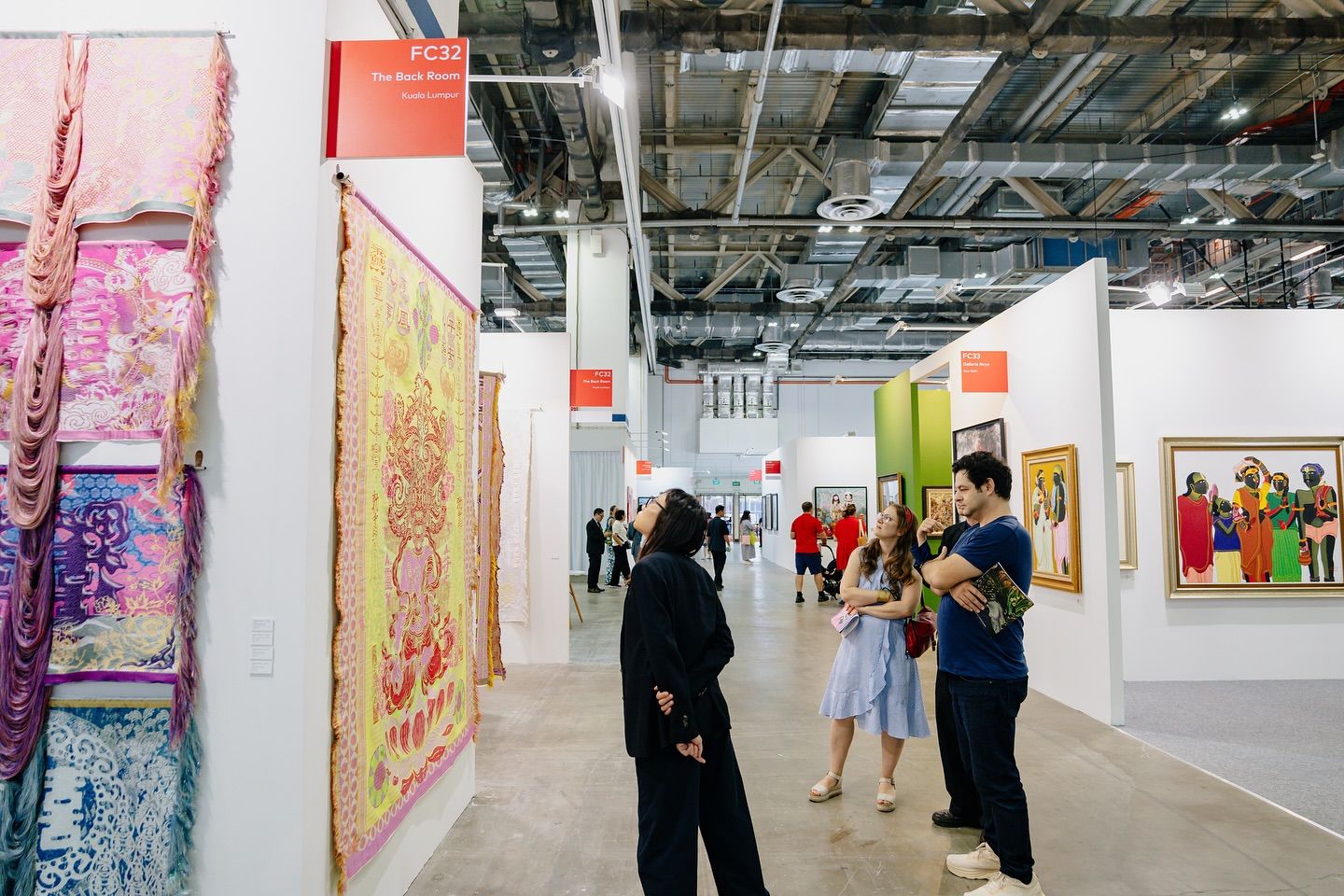
The task was to translate ART SG's regional significance without reducing it to an art-world announcement. The communications had to connect the fair to local artists, homegrown galleries and the experience of encountering contemporary art up close.
Our Thinking
We approached ART SG with a simple belief: art stories resonate more deeply when they feel emotionally close.
Rather than position the fair as something happening elsewhere, the narrative brought it back to relationships: between Malaysian audiences and regional artists, between homegrown galleries and international platforms, between cultural curiosity and first-hand experience.
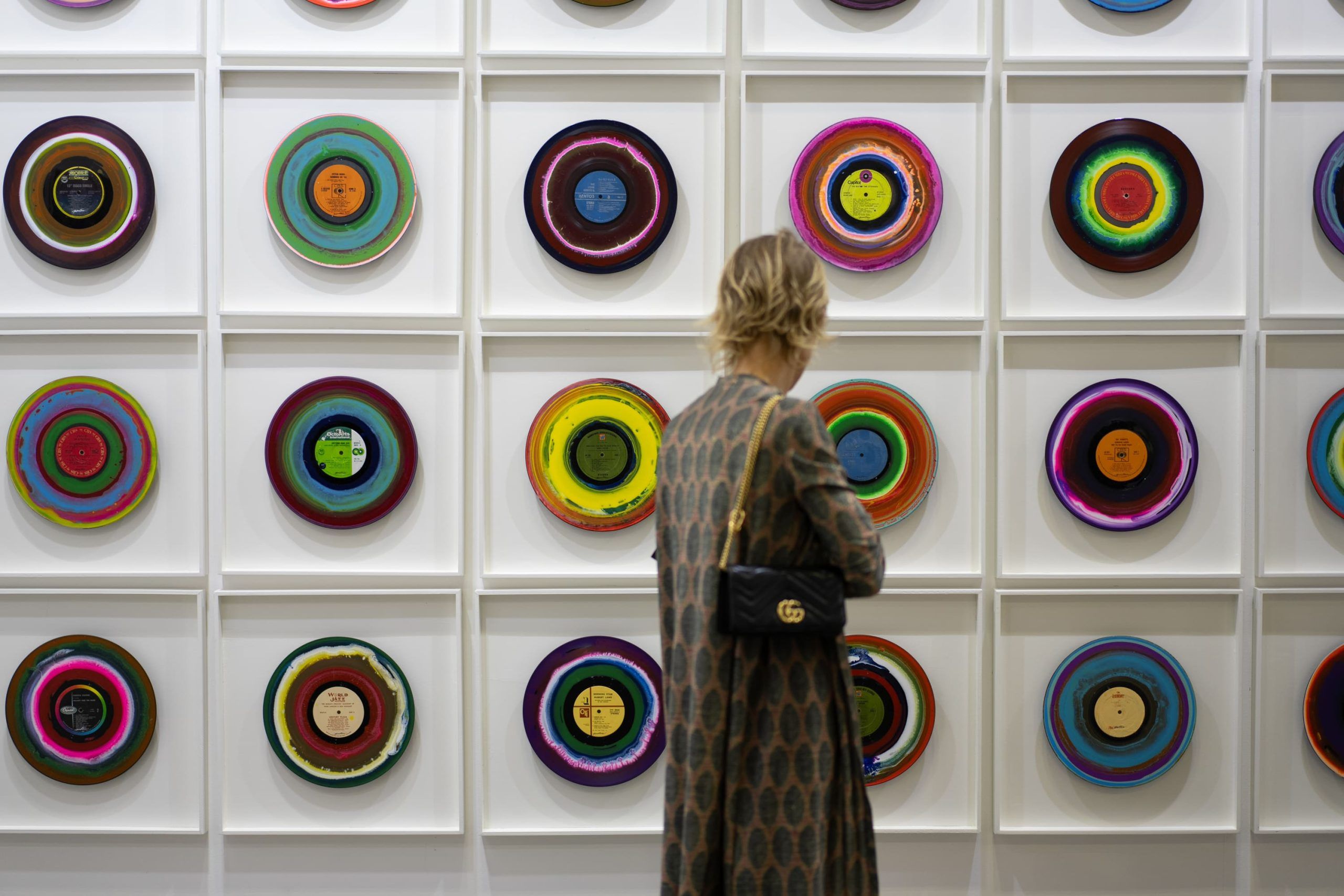
This gave the communications a warmer centre. ART SG could be discussed as a major fair, but also as a place where people encounter ideas, makers and artistic practices from the region in a concentrated, immediate way.
-
Make regional scale personal
Frame ART SG's significance through artists, galleries and stories that Malaysian audiences could recognise and feel connected to.
-
Bridge art-world and lifestyle media
Develop angles that could speak to culture desks, lifestyle editors and readers discovering contemporary art through experience rather than expertise.
-
Let voices carry credibility
Use interviews with the fair's co-founder and participating artists to give the story depth, authority and human texture.
The Work
The communications programme shaped ART SG for the Malaysian market through local relevance, regional storytelling and carefully targeted cultural media angles.
-
Regional narrative framing
RUBIX amplified the fair's position within Southeast Asia by foregrounding regional artists, participating galleries and the cultural energy surrounding Singapore Art Week.
-
Local entry points
Story angles highlighted Malaysian relevance, homegrown galleries and the pleasure of appreciating international contemporary art at close range.
-
Interviews and editorial outreach
Conversations with the fair's co-founder and participating artists gave media a more substantial way to discuss the fair beyond event details.
Outcome
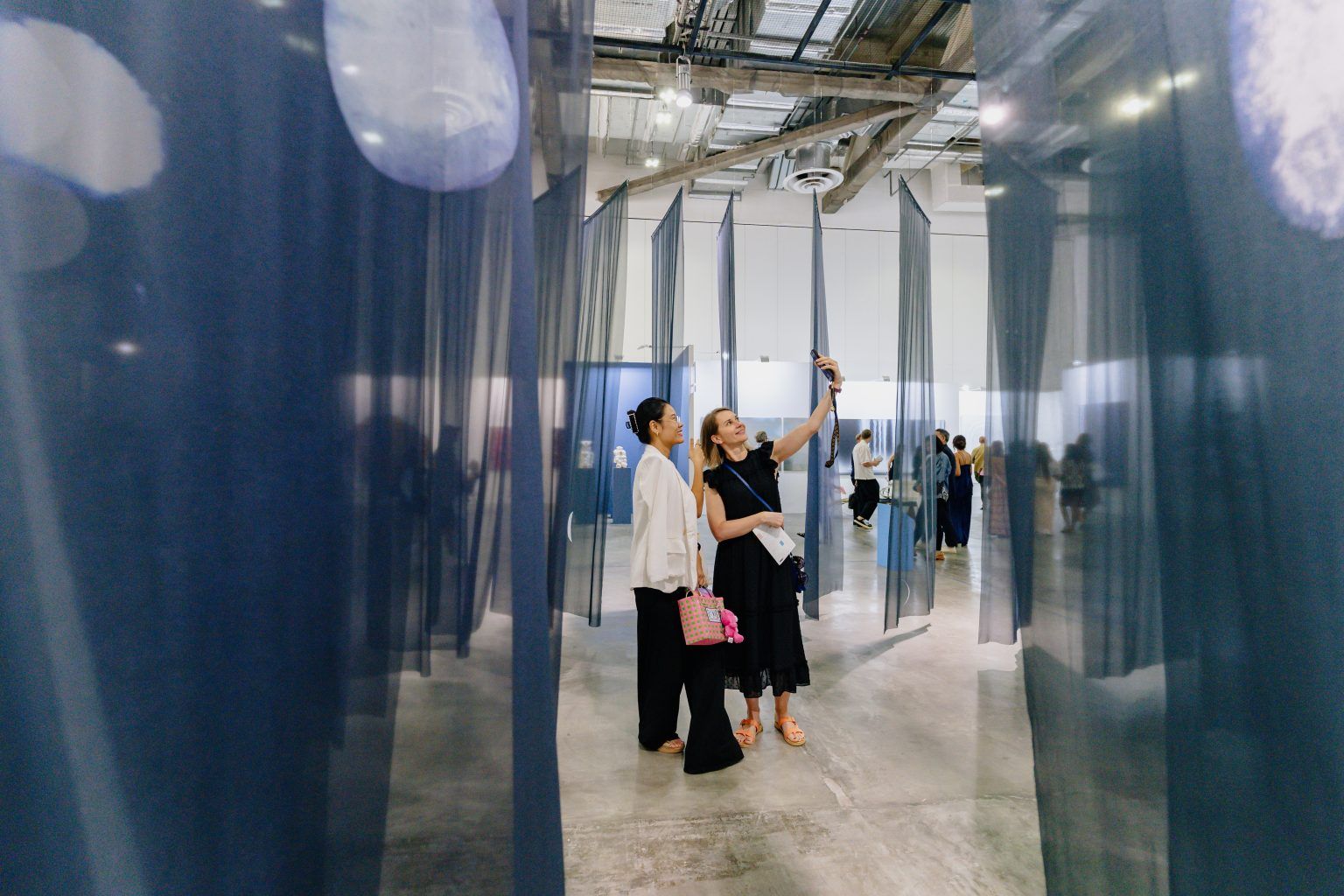
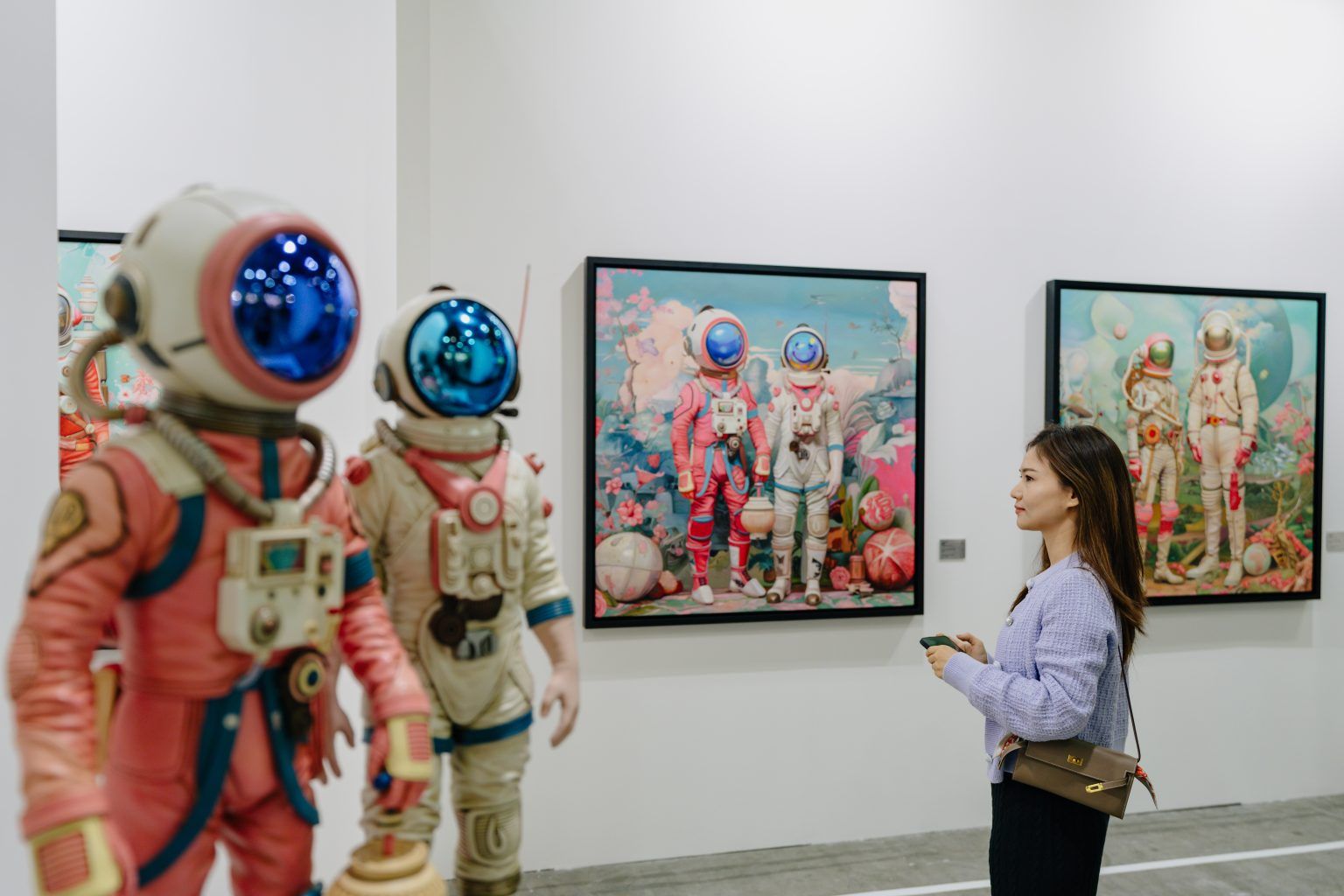
ART SG's Malaysian story became more than a listing; it became an invitation to participate in the region's contemporary art conversation.
By spotlighting regional artists, local connections and approachable cultural entry points, the campaign helped the fair travel through lifestyle and culture media with greater warmth and specificity.
The result was a communications frame that brought Malaysian audiences closer to ART SG's significance: not only as an international art fair, but as a pulse point for Southeast Asia's creative and cultural exchange.
Reflection
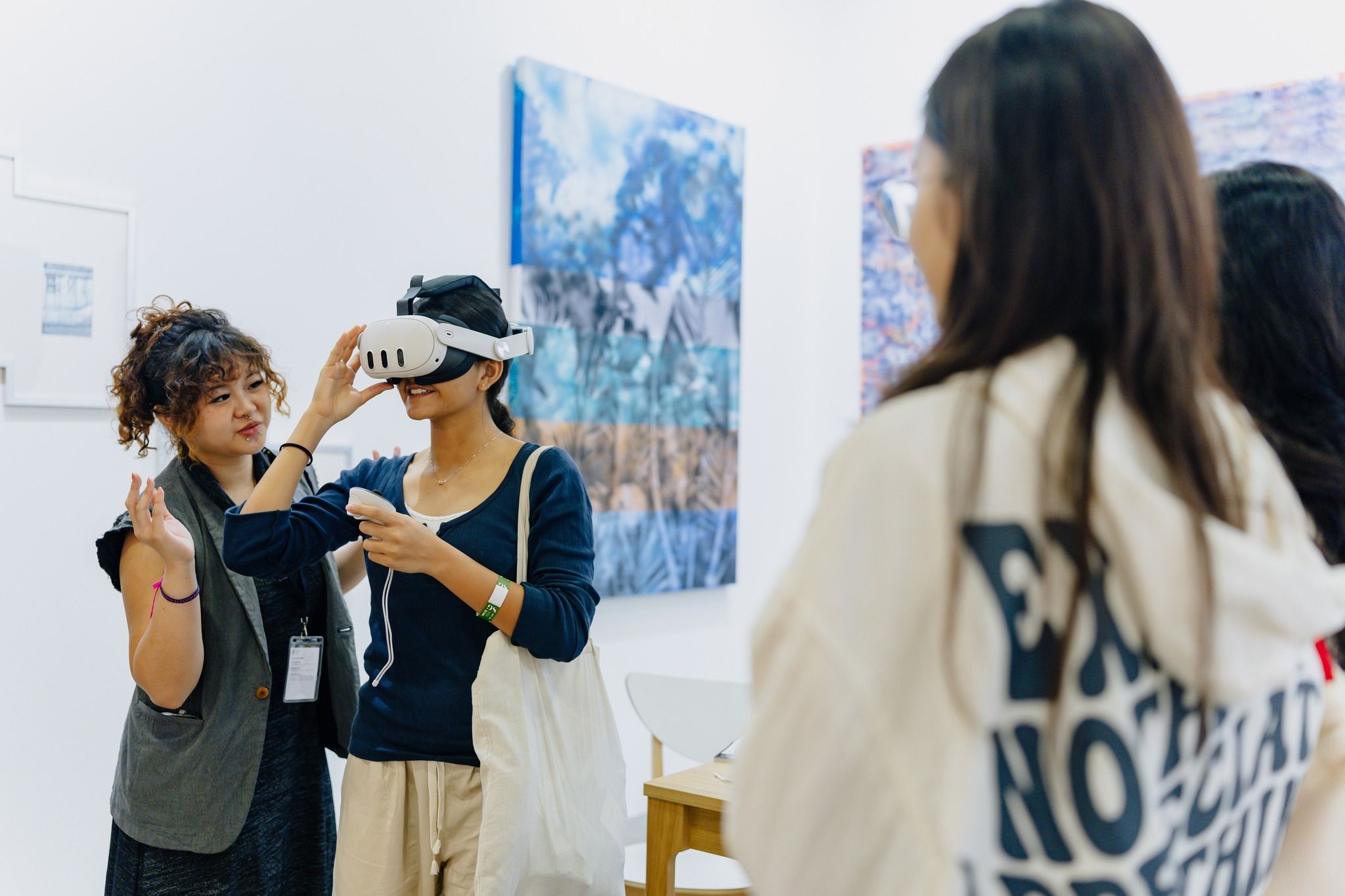
The strongest art communications do not explain the work from a distance. They create enough closeness for people to want to look.
ART SG showed how a major cultural platform can be made accessible without losing its sophistication. By grounding the fair in artists, galleries, experience and regional belonging, the story became both more accessible and more meaningful.